Accelerate research
Support the science moving treatments forward and bringing a cure closer.
A family's race toward a cure
The Sarah Varon Foundation exists to help accelerate research, raise awareness, and move the Rett syndrome community closer to a cure.
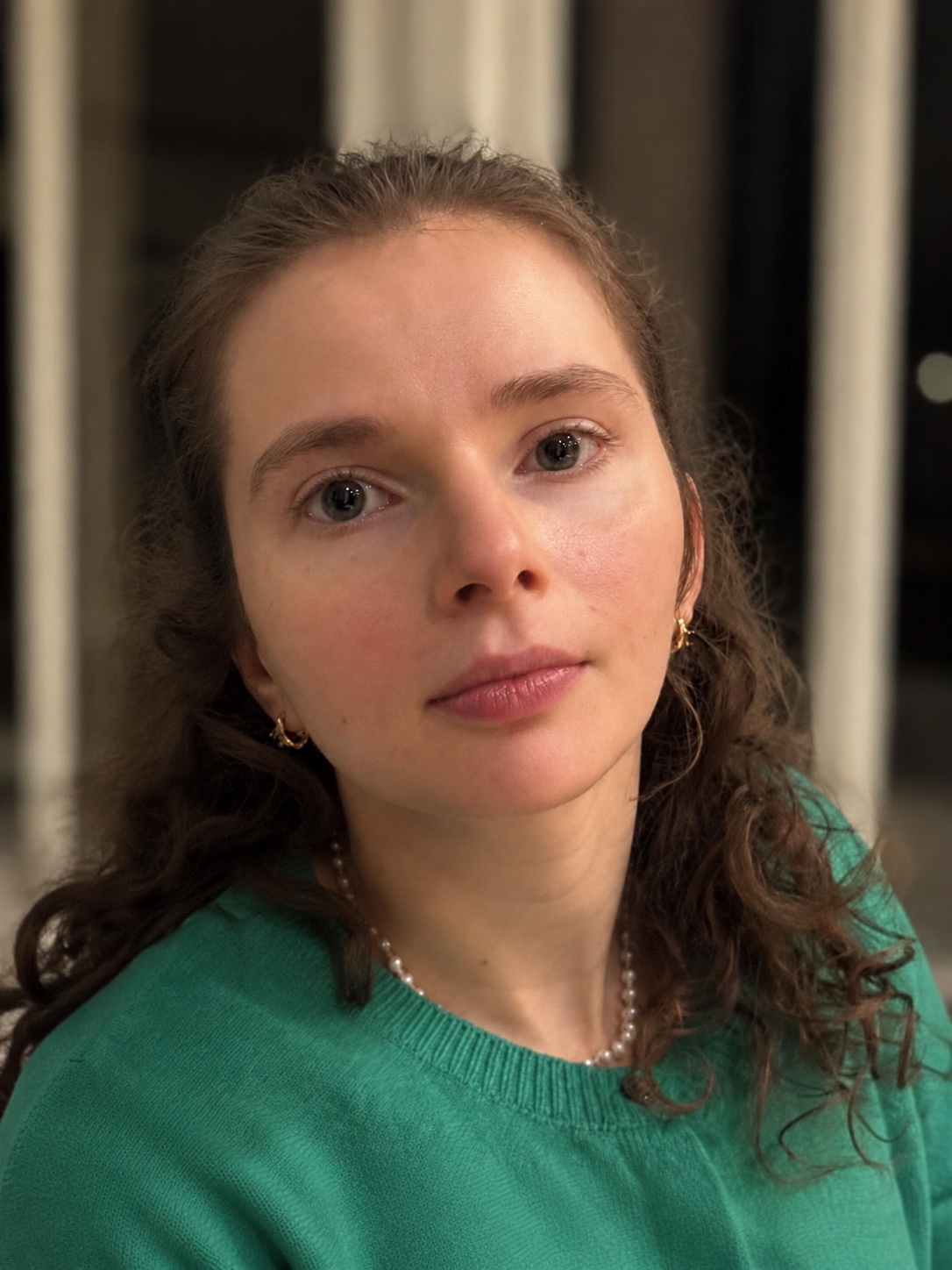
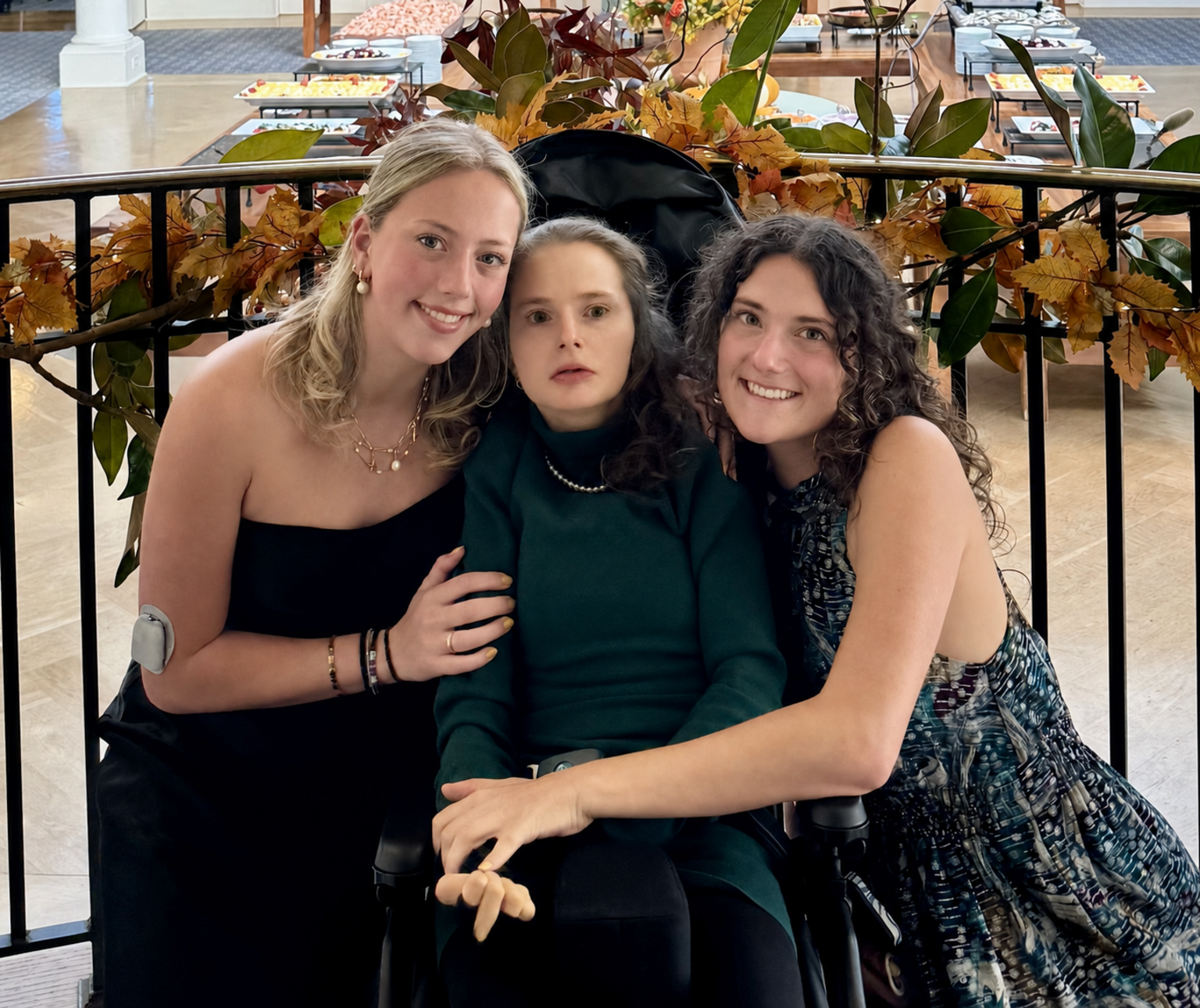
Our mission
We believe research can change the future of Rett syndrome. Our purpose is to help make that change happen sooner.
Support the science moving treatments forward and bringing a cure closer.
Help more people understand Rett syndrome and the lives behind the diagnosis.
Connect families with trusted organizations, current information, and hope.

Sarah's story
Sarah was born on May 20, 2001. During her first year, she reached the same early milestones as her older sister—rolling over, sitting, babbling, and connecting with everyone around her.
Around 11 months, her development began to change. After months of therapy, appointments, and testing, Sarah tested positive for Rett syndrome on December 5, 2002.
The diagnosis changed Sarah’s path, but it never changed who she is: joyful, deeply connected, and surrounded by a family determined to make every day count. With the support and companionship of dedicated caregivers, Sarah lives a rich and active life—walking with her gait trainer, swimming, participating in clubs and social activities, visiting museums, communicating through augmentative technology, and enjoying trips with family and friends.
“For us, it is the day-to-day faith that we can make a difference—even by cutting the time to a cure down by one day—that drives us.”Christine and Sol Varon, Sarah's parents
Understanding Rett syndrome
Rett syndrome is a rare neurological and developmental disorder that primarily affects females and, more rarely, males. It is most often caused by a change in the MECP2 gene, which is essential to healthy brain development and function.
Read the NIH overviewMovement and speech can be profoundly affected, but they do not define a person's awareness, personality, or capacity for communication. Eye gaze, assistive technology, and attentive partners can open meaningful ways to express choices and relationships.
Research progress
The scientific landscape has changed dramatically since Sarah's diagnosis. Each milestone reinforces the urgency of the next.
Researchers identify MECP2 mutations as a primary cause of Rett syndrome.
A landmark mouse study shows that Rett-like symptoms are not necessarily permanent.
The FDA approves trofinetide for adults and children age two and older—a milestone, but not a cure.
Scientists are advancing genetic medicines, next-generation treatments, and better care.
Sarah & family
The people, places, and ordinary moments that make a life. This collection is designed to be easily refreshed as Sarah's story continues.
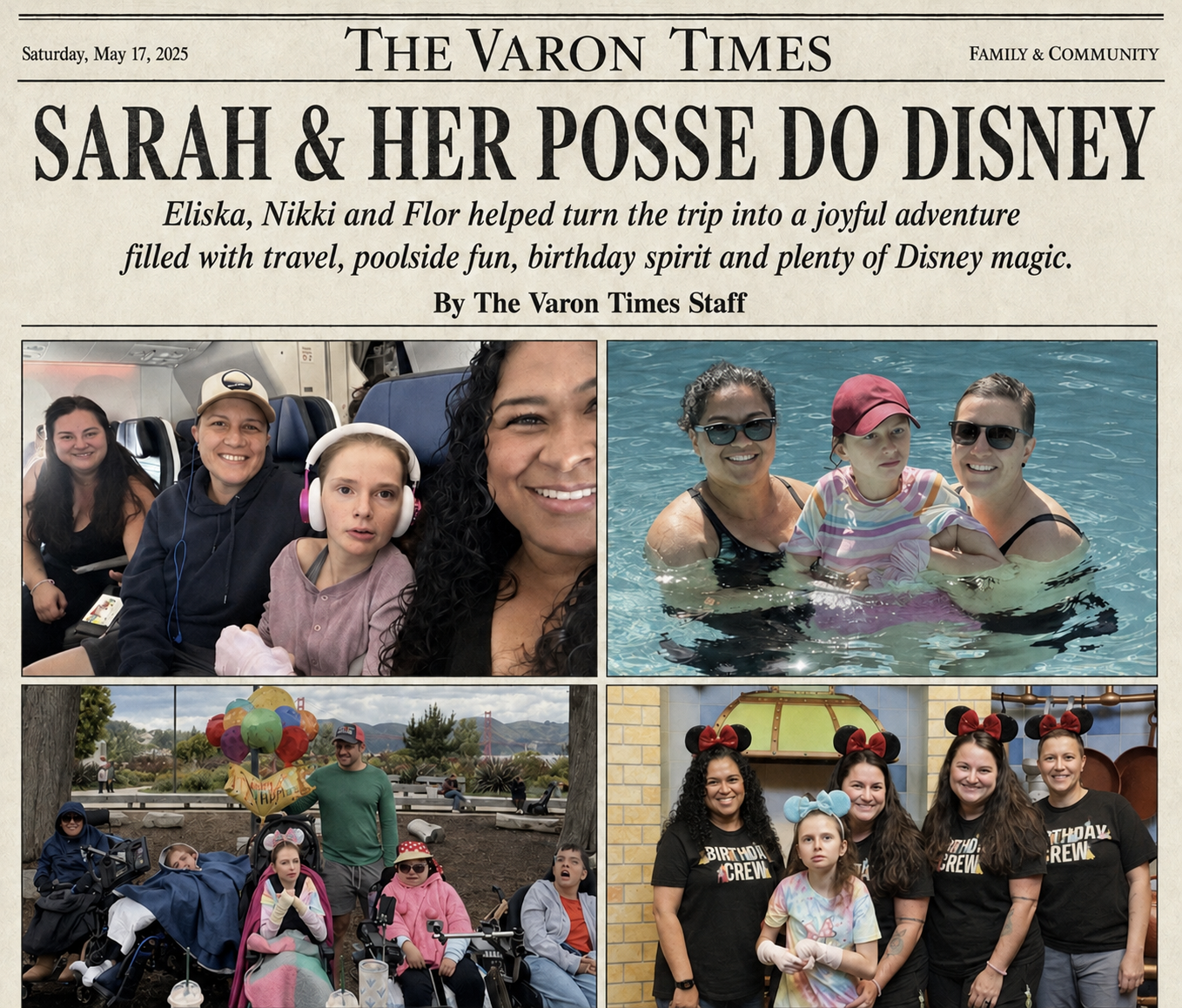
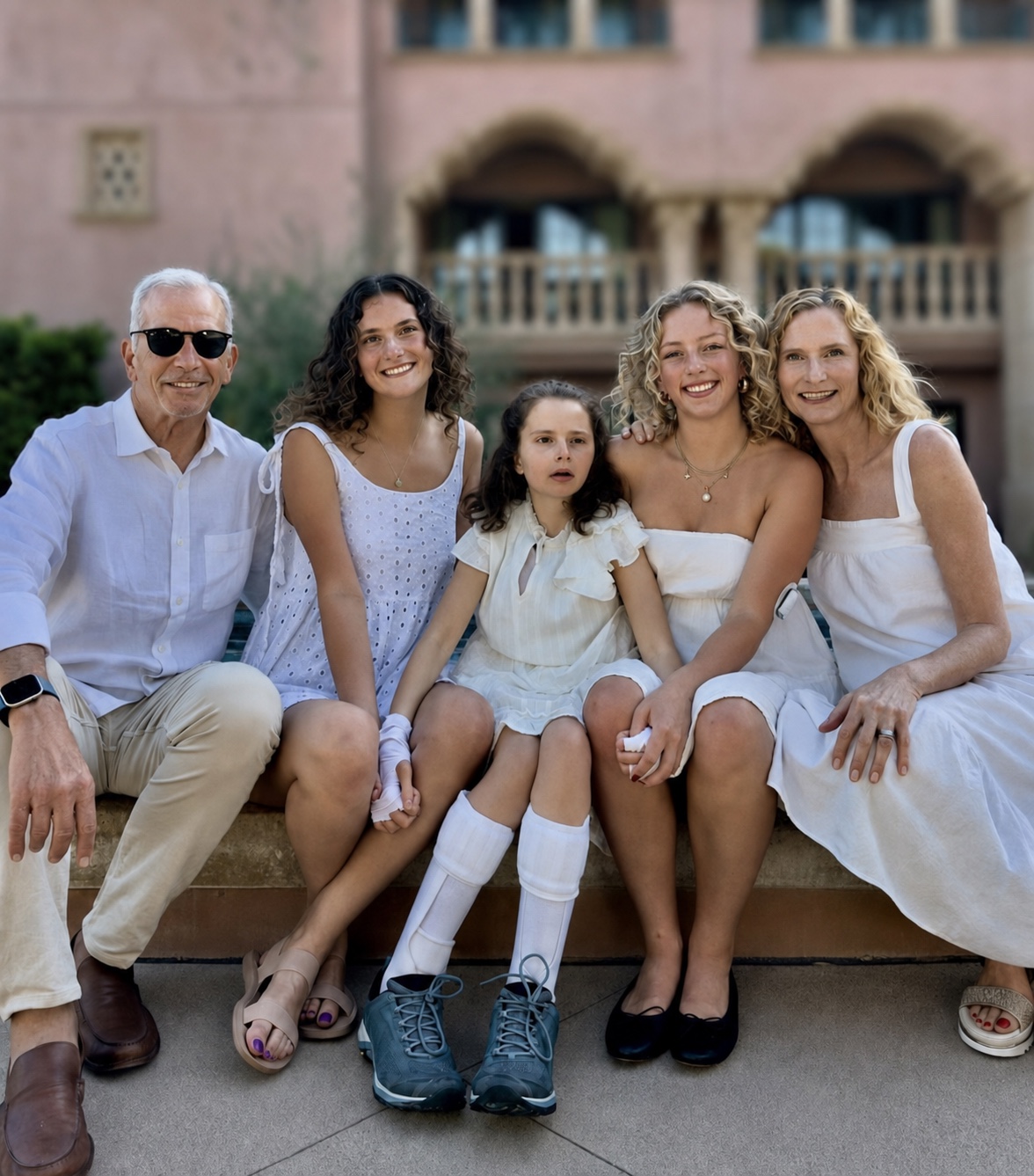

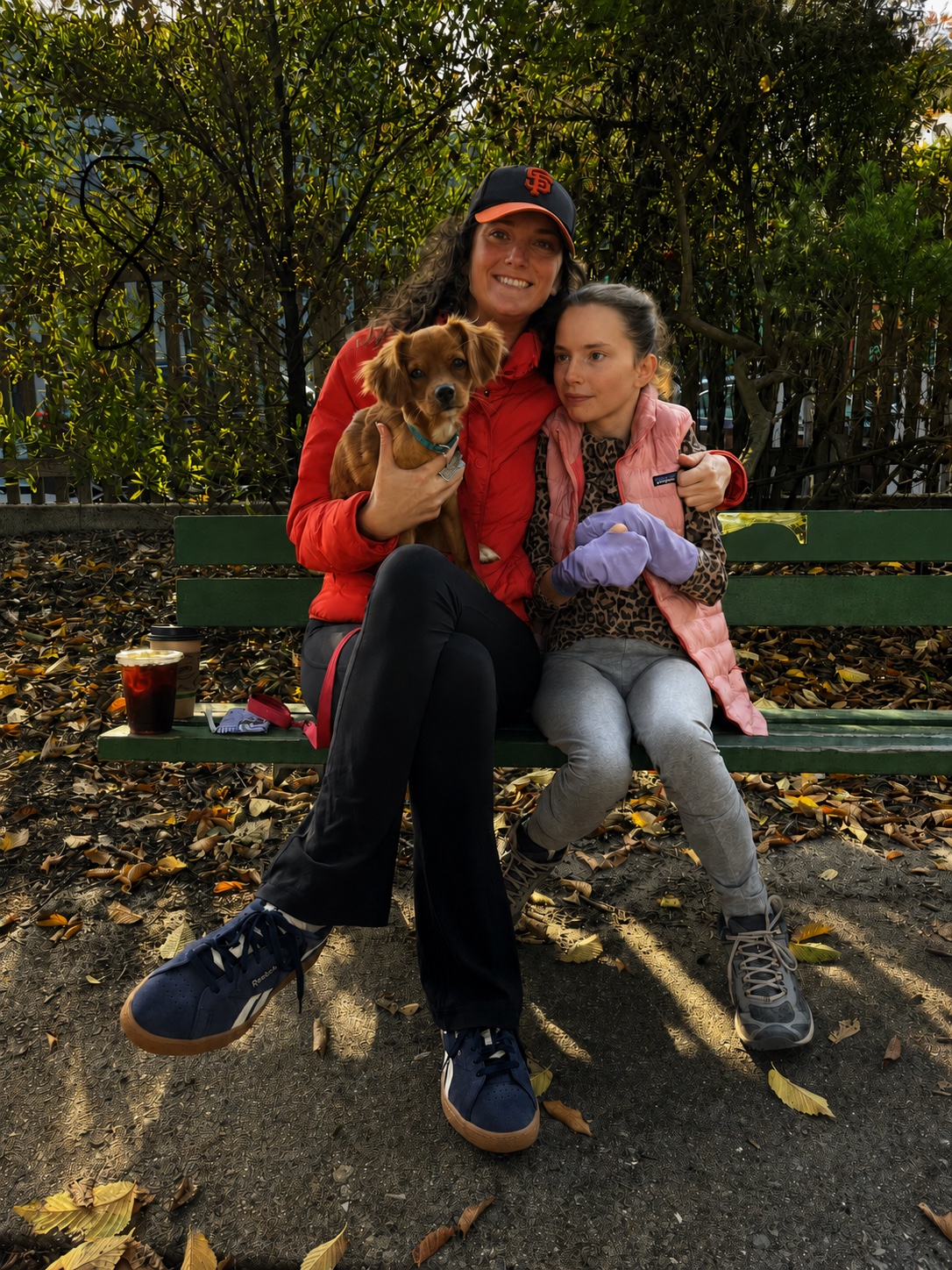
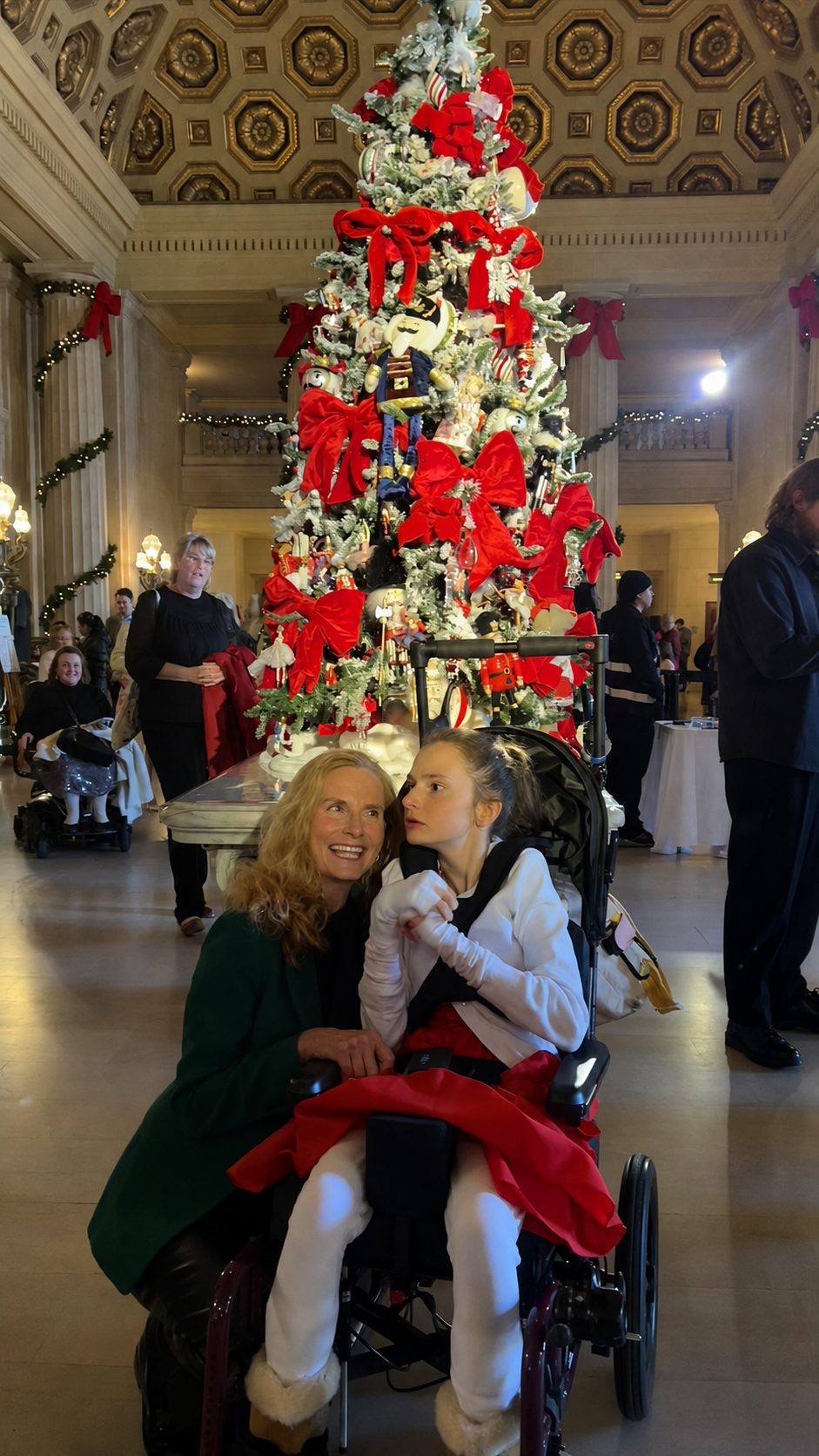
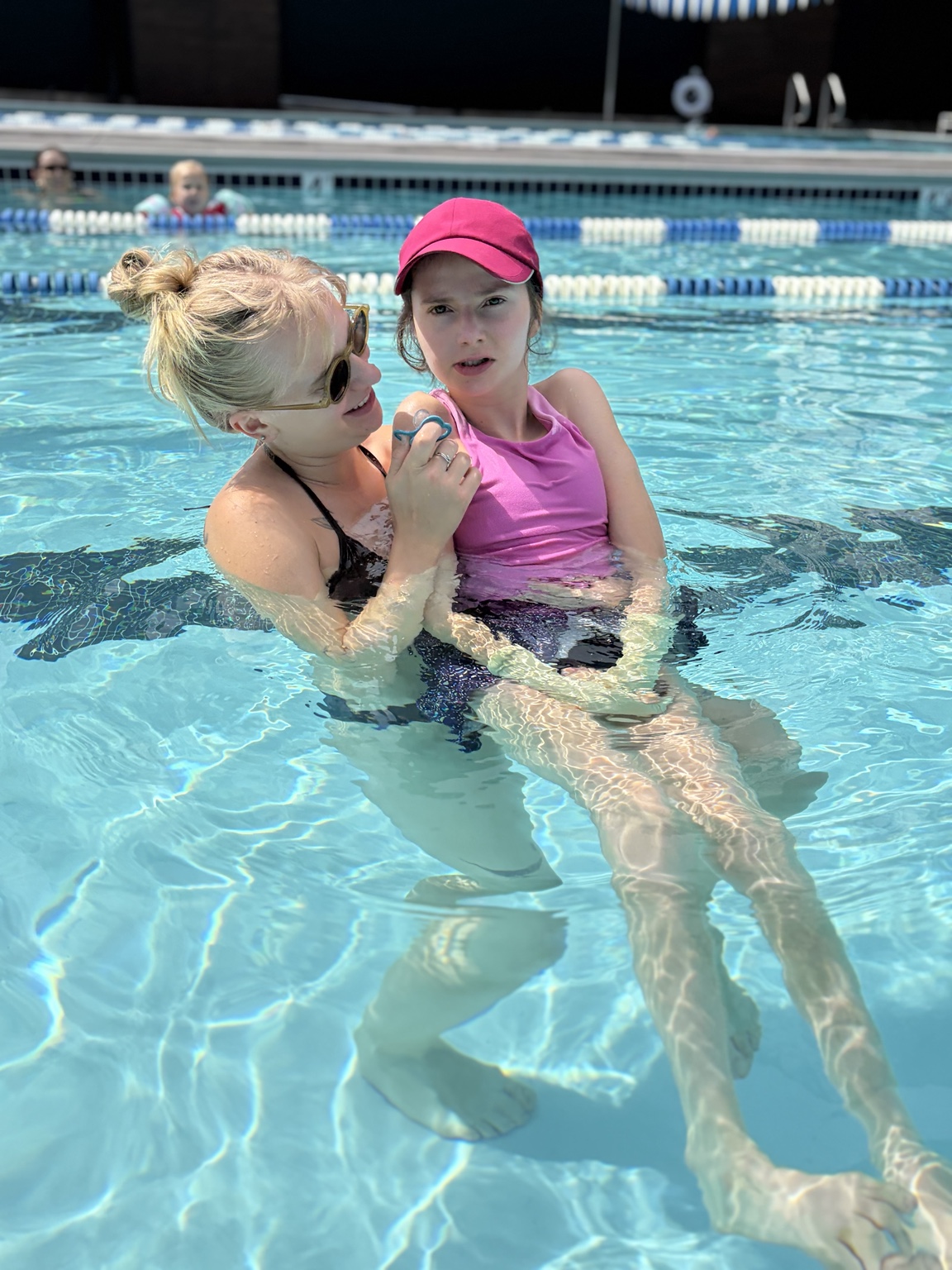
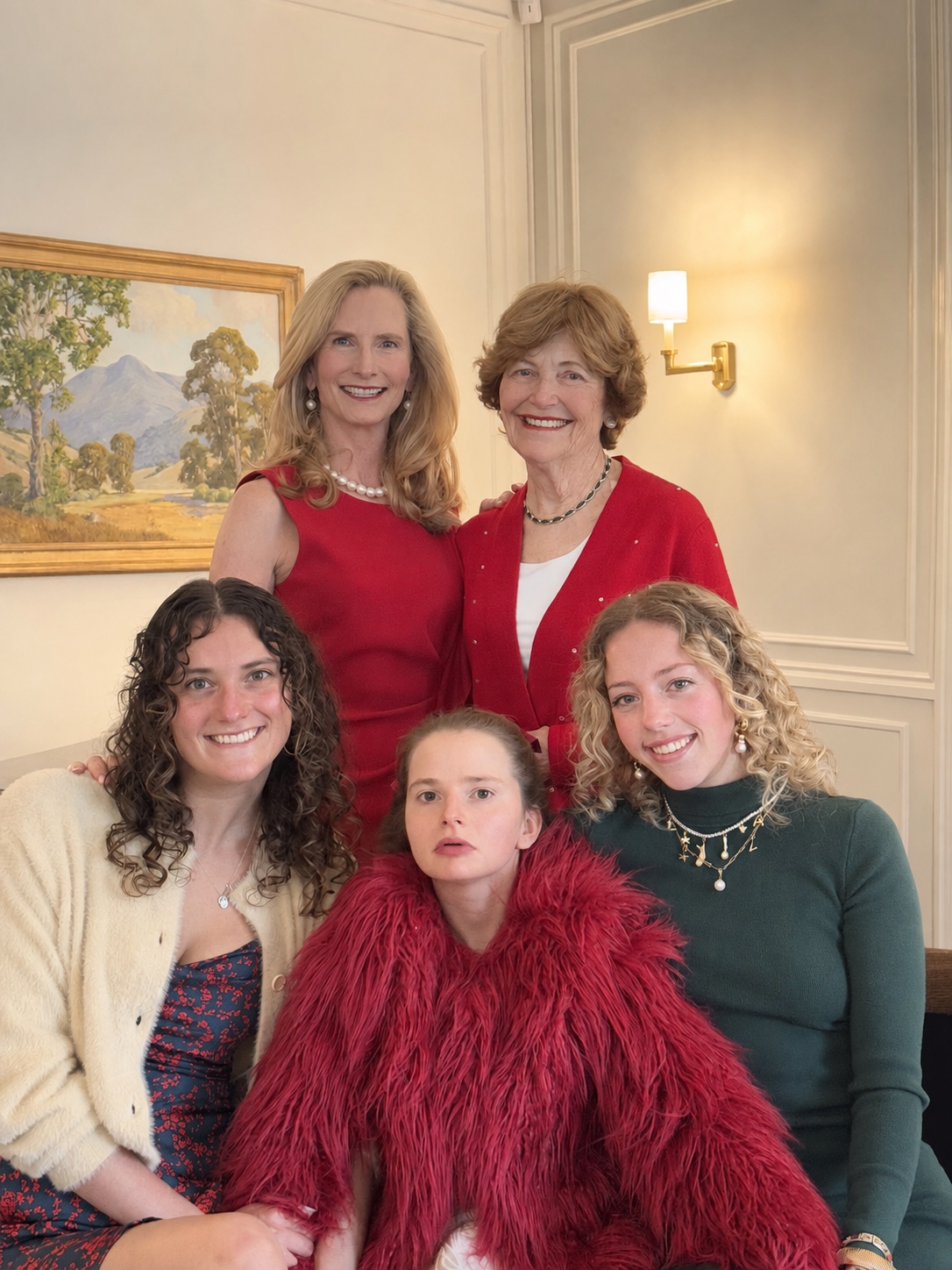
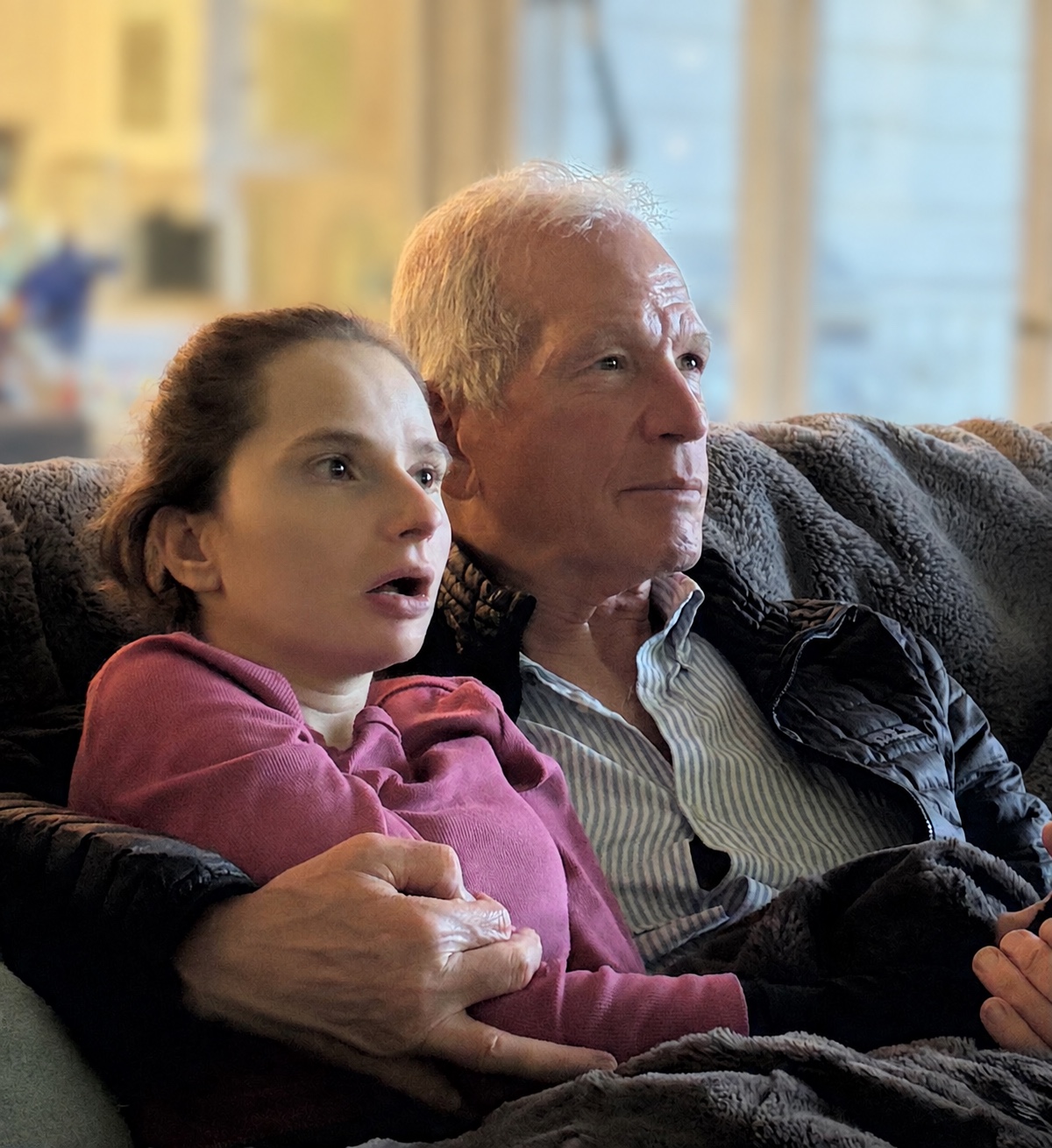
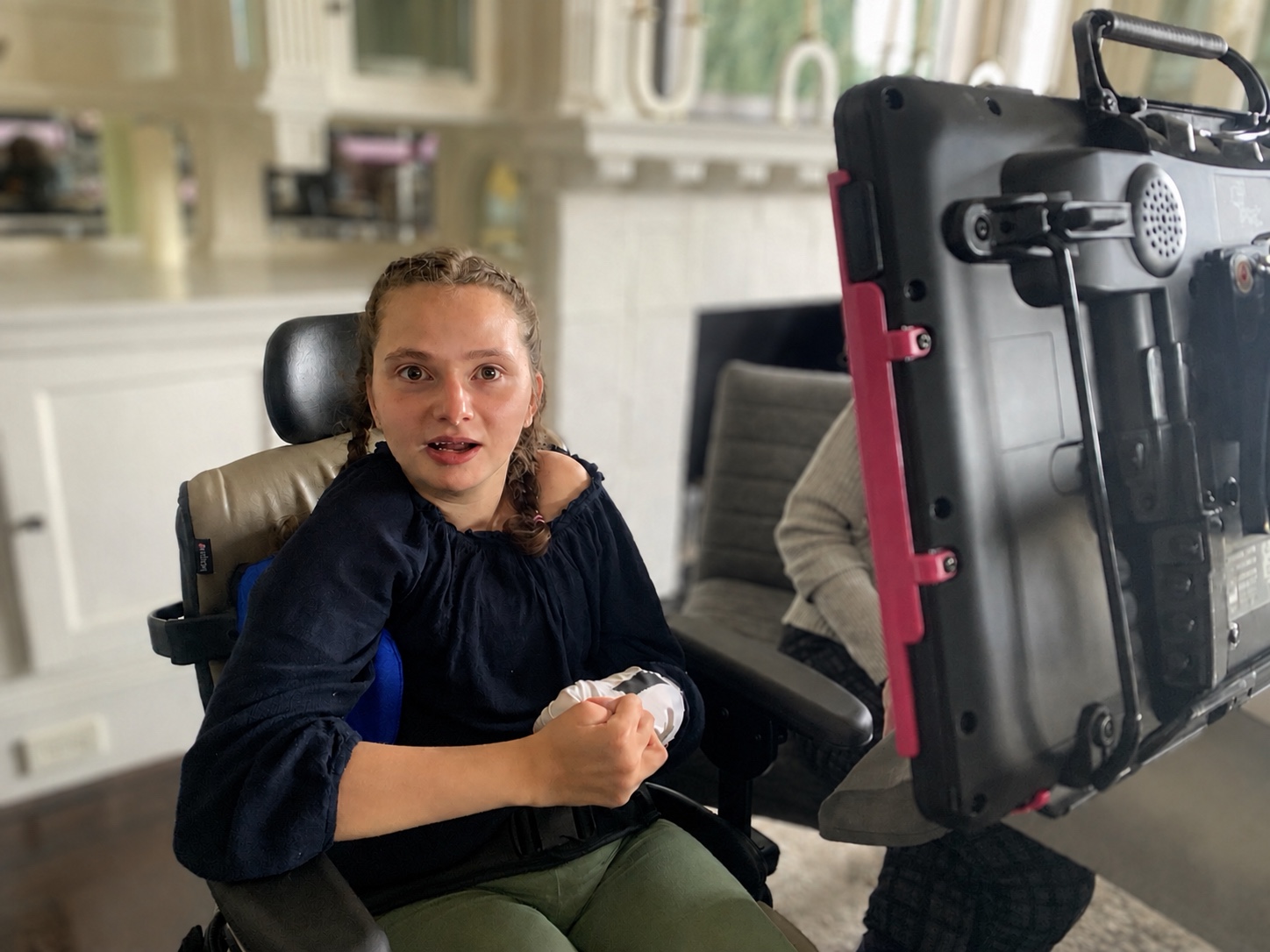
Selected photography by Suzanne Sizer and Leslie Corrado.

From Sarah's parents
Our single purpose is to help find a cure for Rett syndrome. We believe that supporting courageous researchers can move that day closer, and that every day saved matters to Sarah and families everywhere.
We thank you for your support, your generosity, and your willingness to join us in this race.
Christine & Sol Varon
Trusted resources
Trusted information, clinics, family support, advocacy, and the Rett treatment pipeline.
Visit resource ResearchCure-focused research strategy and updates on emerging therapeutic programs.
Visit resource Medical overviewAn evidence-based overview of Rett syndrome, diagnosis, symptoms, and treatment.
Visit resourceThis website provides general information and is not a substitute for medical advice. Families should consult qualified healthcare professionals for care decisions.
Join the race
Your support helps fund research, strengthen family resources, and keep a cure at the center of the conversation.